

First-Time Investment Property Tips for Kentucky Buyers: What Works in Today's Market
Buying your first investment property in Kentucky can be an excellent way to build long-term wealth, generate passive income, and create additional retirement income. However, the Kentucky market in 2026 requires investors to be strategic. Rising insurance costs, higher interest rates, and varying rental demand across the state make it more important than ever to buy based on numbers—not emotions.
Whether you're looking at Lexington, Richmond, Georgetown, Winchester, Danville, or other Kentucky communities, here are the most important things to know before purchasing your first rental property.
Buy for Cash Flow, Not Just Appreciation
Many first-time investors focus on how much a property might increase in value. While appreciation is important, cash flow keeps an investment property healthy.
Before making an offer, calculate:
- Expected monthly rent
- Mortgage payment
- Property taxes
- Landlord insurance
- Vacancy reserve
- Maintenance reserve
- Property management costs (if applicable)


Kentucky Example
A $220,000 rental property in Richmond or Winchester might rent for approximately $1,600–$1,800 per month.
After accounting for:
- Mortgage
- Taxes
- Insurance
- Maintenance
- Vacancy reserves
You may discover that a property producing only $50 per month in cash flow is far riskier than one producing $300-$400 per month.
The goal is not simply owning real estate—it's owning real estate that pays you.
Kentucky's Best First-Time Investment Markets
Not every Kentucky market performs the same.
Strong Long-Term Rental Markets


Consider areas near:
- University of Kentucky
- Eastern Kentucky University
- Major hospitals and healthcare systems
- Toyota Manufacturing in Georgetown
- Bluegrass Station and Lexington employers
Markets that consistently attract students, healthcare workers, government employees, and manufacturing workers tend to experience stronger rental demand and lower vacancy rates.
Duplexes Are Often the Best First Investment
Many successful Kentucky investors started with a duplex.
Why?
- Lower down payment options may be available when owner-occupying.
- Rental income from one unit helps offset your mortgage.
- Easier financing than larger apartment buildings.
- Hands-on landlord experience with reduced risk.
For buyers nervous about becoming landlords, a duplex can provide an excellent introduction to real estate investing.
Understand Kentucky Landlord-Tenant Laws
One of the biggest mistakes new investors make is buying a rental property before understanding Kentucky's landlord responsibilities.
Kentucky requires landlords to maintain safe and habitable housing, perform necessary repairs, and follow specific procedures regarding security deposits and tenant disputes. Security deposits must be handled according to Kentucky statutes, including move-in condition documentation and itemized deductions when applicable.
A unique aspect of Kentucky is that portions of the Uniform Residential Landlord and Tenant Act (URLTA) apply only in jurisdictions that have adopted it. Local regulations can vary, making it important to understand the rules in the city where you're investing.
Before Buying, Learn:
- Security deposit requirements
- Lease requirements
- Fair housing laws
- Maintenance responsibilities
- Eviction procedures
- Local city ordinances
Being a landlord is a business, and understanding the legal side is just as important as understanding the financial side.
Budget More for Repairs Than You Think
Every property will need repairs.
Common Kentucky expenses include:
- Roof replacement after storm damage
- HVAC repairs during hot summers
- Plumbing issues in older homes
- Water heaters
- Appliance replacement


A good rule of thumb:
- Reserve 1–2% of the property's value annually for maintenance.
- Maintain an emergency fund equal to at least 3–6 months of expenses.
Many investors underestimate maintenance costs, especially when purchasing older homes.
Screen Tenants Carefully
The wrong tenant can quickly erase months of profits.
Before approving an applicant:
- Verify employment
- Verify income
- Check rental history
- Run credit reports
- Conduct background checks
Many landlords prefer applicants whose gross monthly income equals at least three times the monthly rent.
An extra week of vacancy is often less expensive than a bad tenancy.
Don't Forget Kentucky Property Taxes and Insurance
Kentucky generally has lower property taxes than many states, which helps investment returns. However, insurance costs have increased significantly in recent years, particularly for older properties and properties with aging roofs.
When analyzing a property, use actual insurance quotes whenever possible rather than estimates from online calculators.
Consider Long-Term Rentals Before Airbnb
Many new investors are attracted to short-term rentals.
While Airbnb properties can be profitable in tourist destinations, they often involve:
- Higher furnishing costs
- More management
- Local permitting requirements
- Greater income fluctuations
Some Kentucky municipalities have additional short-term rental regulations and permit requirements.
For most first-time investors, a traditional long-term rental is often simpler and more predictable.
Keep Cash Reserves
One of the fastest ways investors get into trouble is spending every dollar on the down payment.
A strong reserve fund can cover:
- Vacancies
- Major repairs
- Insurance deductibles
- Unexpected maintenance


Real estate rewards investors who can weather unexpected expenses.
Common Mistakes Kentucky Investors Should Avoid
❌ Buying based solely on appearance
❌ Assuming rents will rise quickly
❌ Ignoring maintenance reserves
❌ Underestimating vacancies
❌ Over-improving rental properties
❌ Not understanding Kentucky landlord-tenant laws
❌ Spending all available cash at closing
Final Thoughts
Kentucky continues to offer opportunities for first-time investors because of its relatively affordable housing prices, strong rental demand in key employment centers, and favorable property tax environment. However, success comes from careful analysis, proper planning, and understanding the responsibilities that come with being a landlord.
The best investment property isn't necessarily the prettiest one—it's the property that generates consistent income, attracts quality tenants, and helps you achieve your long-term financial goals.
Joe Lybrook, REALTOR®
"Joe Knows KY"
Helping buyers, sellers, and investors throughout Lexington, Richmond, Georgetown, Winchester, Danville, and Central Kentucky make smart real estate decisions. If you're considering your first investment property, I'd be happy to help you evaluate opportunities, estimate cash flow, and avoid costly mistakes before you buy.
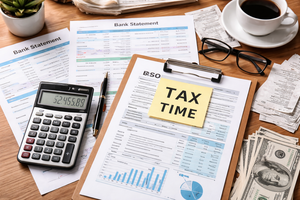 Tax season has a way of creating pressure.
Maybe you’ve already started gathering forms. Maybe they’re still sitting in a folder on your desk. Either way, there’s often a quiet question in the background: Did I miss anything?
Before you file, before you submit numbers to your accountant, and before you rush to check one more box, there’s a simple place to pause: your bank statements.
Your bank statements aren’t just records of deposits and withdrawals. They’re a story about your financial year. And when you review them intentionally, they can offer clarity that makes tax season feel more manageable.
Why Your Bank Statements Matter More Than You Think
At first glance, a bank statement looks straightforward. It lists transactions, dates, balances, and totals. But when you’re preparing your taxes, it becomes something else: a pattern tracker.
For everyday consumers, statements reveal spending habits and major financial shifts. For small business owners and independent contractors, they can highlight deductible expenses or income trends. For HSA account holders, they confirm contributions and qualified medical payments.
What Does “Reviewing Bank Statements for Taxes” Actually Mean?
It doesn’t mean auditing every coffee purchase or scrutinizing every dollar. It means stepping back and asking a few practical questions:
- Where did my money come from? Where did it go?
- Are there patterns I should understand before filing?
- Did I separate personal and business spending clearly?
- Are there recurring expenses that may be deductible?
This is less about perfection and more about awareness.
When you review expenses before filing, you’re giving yourself a chance to catch overlooked details and organize your finances for tax season in a thoughtful way.
Who Should Organize Their Finances for Tax Season?
Everyday Consumers
If you experienced changes this year (a new job, side income, large purchases, medical expenses, or increased charitable giving), your bank activity may reveal details that help you prepare documentation.
Small Business Owners
If you run your own business, your bank statements are often the foundation of your small business tax preparation process. They help verify income, categorize expenses, and support conversations with your tax professional.
Clear records also make year-end cash flow analysis much simpler.
Independent Contractors
Freelancers and contractors often receive income from multiple sources. Reviewing your statements can help confirm that you’ve accounted for all deposits and tracked business-related expenses appropriately.
HSA Account Holders
If you use a Health Savings Account, reviewing both your checking account and HSA statements can help ensure your contributions and qualified medical expenses are documented correctly.
What to Look for During Your Review
You don’t need a complicated tax preparation checklist to get started. You simply need time and intention. Download the last three months of statements, or even the full year if you prefer, and scan for patterns.
1. Income Consistency
Look at your deposits. Do they match what you expect? For business owners and contractors, do your deposits align with invoices sent? Are there payments that still need follow-up?
Understanding income flow is essential for financial tax planning, especially if earnings fluctuate month to month.
2. Expense Categories
Group transactions into broad categories:
- Business expenses
- Household expenses
- Medical payments
- Charitable contributions
- Education costs
This doesn’t need to be perfect accounting. You’re looking for trends and significant totals.
3. Recurring Payments
Subscriptions, service contracts, vendor payments: recurring charges can be easy to overlook.
For business owners, some may be deductible. For individuals, they may reveal areas where spending increased over the year.
4. Large or Unusual Transactions
Large transfers, asset purchases, or one-time expenses deserve a second look. These may have tax implications or require documentation.
Common Misconceptions About Bank Statements and Taxes
Let’s clear up a few myths.
“My accountant handles everything. I don’t need to review anything.”
Your accountant can only work with what you provide. Reviewing your own statements first ensures you’re bringing complete and accurate information to the table.
“If it’s not on a tax form, it doesn’t matter.”
Not all relevant financial activity arrives neatly summarized on a form. Especially for small business tax preparation, bank records often fill in important gaps.
“It’s too late to look now.”
Even if you’re close to filing, reviewing statements can still prevent oversight. And if nothing else, it sets you up for better organization next year.
What Should You Consider Before Making Changes?
As you review, you may notice areas where you want to adjust spending, restructure accounts, or separate business and personal finances more clearly. Before making changes, consider:
- Do I understand the tax implications?
- Should I consult a tax professional first?
- Would creating separate accounts improve clarity next year?
- Do I need better tracking tools going forward?
Financial tax planning is not about drastic moves. It’s about steady, informed adjustments.
What Progress Actually Looks Like
Progress isn’t about discovering massive deductions or uncovering dramatic savings.
For business owners, it may mean cleaner expense categories. For individuals, it may mean recognizing spending trends. For HSA holders, it may mean confirming contributions and qualified distributions.
Clarity is the goal. And clarity tends to reduce stress.
A Simple First Step
You don’t need special software. You don’t need a complex spreadsheet. Start here: Download the last three months of statements and highlight patterns or categories that deserve closer attention.
That’s it.
If you want to go further, explore digital banking tools that make categorization and tracking easier throughout the year. The more visibility you build now, the less pressure you’ll feel next tax season.
Clarity doesn’t require urgency. It just requires attention. And your bank statements are a good place to begin.
Frequently Asked Questions
Why should I review my bank statements before filing taxes?
Reviewing your bank statements helps you confirm income, identify deductible expenses, and spot missing or unusual transactions before filing. It can also help you organize documentation, verify financial activity, and reduce errors that could delay processing or trigger questions from the Internal Revenue Service.
What should I look for on my bank statements for tax preparation?
Focus on key details such as total income deposits, business-related expenses, medical payments, charitable contributions, education costs, and large or unusual transactions. You should also review recurring charges and confirm that all financial activity aligns with your tax documents and records.
How far back should I review my bank statements for taxes?
Many people start by reviewing the last three months of statements to identify patterns and recent activity. However, reviewing the full tax year provides a more complete financial picture, especially for small business owners, freelancers, or individuals with multiple income sources.
Do I need to review bank statements if I use an accountant or tax professional?
Yes. Your tax professional relies on the information you provide. Reviewing your bank statements first helps ensure your records are complete, organized, and accurate, making the filing process smoother and more efficient.
What tax deductions can I identify from bank statements?
Bank statements may help you identify potential deductions such as business expenses, qualified medical payments, charitable donations, education costs, and certain work-related purchases. Always confirm eligibility with a tax professional before claiming deductions.
Should small business owners and freelancers review bank statements differently?
Small business owners and independent contractors should pay close attention to income consistency, business-related expenses, and separation between personal and business transactions. Clear records help support deductions, verify earnings, and simplify year-end financial reporting.